
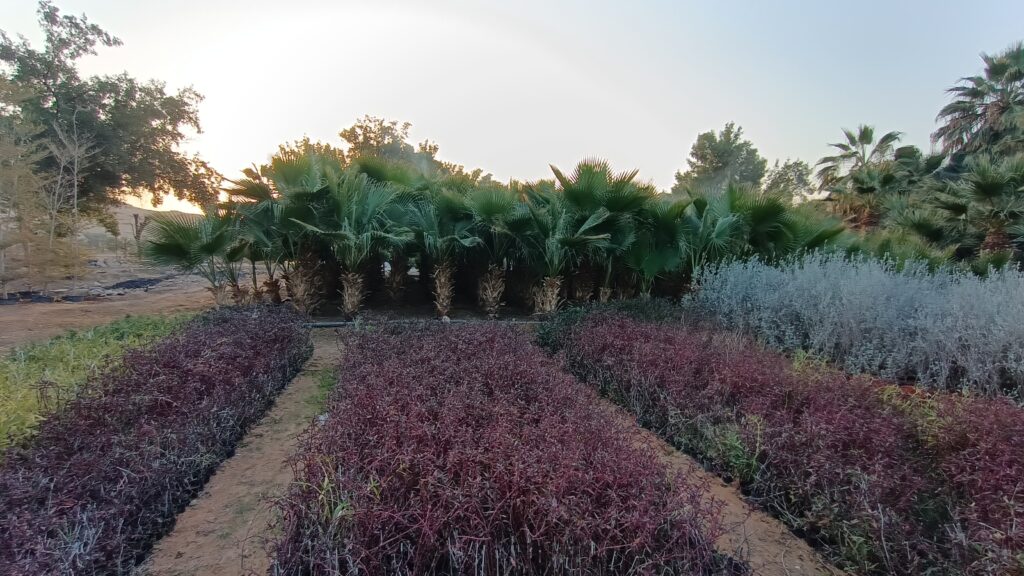
Designing a successful plant nursery landscape in Saudi Arabia requires more than arranging plants in rows. The Kingdom’s hot climate, water scarcity, high salinity levels, and intense sunlight demand strategic planning and technical expertise. A well-designed nursery must balance plant health, operational efficiency, and long-term sustainability.
By applying professional landscaping principles and climate-adapted strategies, nursery owners can create productive environments that support plant growth while minimizing maintenance and water consumption.
1. Design with Saudi Arabia’s Climate in Mind
Saudi Arabia’s high temperatures and strong solar exposure directly impact plant survival rates. Nursery layouts must prioritize:
-
Controlled sun exposure
-
Air circulation
-
Heat reduction strategies
-
Microclimate zoning
Applying principles of sustainable softscape landscaping ensures that plant systems are adapted to hot and arid environments, reducing stress and improving overall nursery performance.
Strategic placement of shade structures and heat-resistant ground materials can significantly improve growing conditions.
2. Prioritize Soil Preparation and Salinity Management
Soil conditions in many regions of Saudi Arabia are sandy and may contain elevated salinity levels. Before establishing a nursery, soil testing and proper amendment planning are critical.
Effective soil preparation includes:
-
Organic matter enrichment
-
Salinity correction
-
Drainage improvement
-
Soil structure enhancement
Plant success depends heavily on choosing the right plants based on soil type and climate, especially in arid regions where soil composition directly affects water retention and nutrient absorption.
3. Install Efficient Irrigation Systems
Water management is the backbone of any successful nursery operation. Over-irrigation wastes resources and increases disease risk, while under-irrigation weakens plant development.
Modern nurseries in Saudi Arabia should incorporate:
-
Zoned irrigation systems
-
Drip irrigation for water efficiency
-
Moisture monitoring controls
-
Pressure-regulated systems
Using efficient irrigation systems ensures optimal water distribution while minimizing waste — a critical factor in sustainable nursery landscaping.
4. Incorporate Shade Structures and Microclimate Control
Nurseries must protect young plants from extreme sun exposure. Shade nets, pergola-style structures, and controlled growing zones help regulate temperature and light intensity.
Microclimate planning may include:
-
Partial shade sections for sensitive species
-
Windbreak planting
-
Reflective heat reduction surfaces
-
Elevated plant benches for air circulation
These measures significantly improve plant survival rates and production quality.
5. Plan Functional Layout and Circulation
Operational efficiency is as important as plant health. A nursery should be designed with clear zoning:
-
Propagation area
-
Display section
-
Storage and soil mixing zone
-
Irrigation control center
-
Customer access pathways
Proper circulation prevents congestion and improves workflow. Lessons learned from professional landscaping for villas can also apply here — clear zoning, functional flow, and structured layout planning are universal landscape design principles.
6. Implement Proper Drainage Systems
Poor drainage is one of the most common causes of plant disease in nurseries. Standing water can lead to root rot, fungal issues, and soil compaction.
To avoid structural and plant health problems:
-
Install slope grading
-
Use gravel drainage layers
-
Design runoff channels
-
Prevent water pooling around plant beds
Ignoring drainage often results in the same issues seen in common softscape landscaping mistakes, where improper planning compromises long-term performance.
7. Establish a Long-Term Maintenance Strategy
A nursery landscape is a living system that requires consistent monitoring and care. Maintenance planning should include:
-
Scheduled pruning
-
Fertilization programs
-
Pest control strategies
-
Irrigation system inspections
-
Soil quality monitoring
Following structured landscape maintenance best practices ensures nursery operations remain productive, efficient, and commercially viable over time.
Why Proper Nursery Landscaping Matters in Saudi Arabia
Investing in professional nursery landscape design offers several advantages:
-
Higher plant survival rates
-
Reduced water consumption
-
Lower long-term operational costs
-
Improved plant quality
-
Enhanced customer experience
As demand grows for sustainable residential and commercial landscaping across the Kingdom, nurseries must meet high-quality standards to remain competitive.
Conclusion
Designing a plant nursery landscape in Saudi Arabia requires a climate-responsive, technically structured, and sustainability-driven approach. From soil preparation and irrigation planning to shade control and maintenance systems, every element must be engineered for hot and arid conditions.
By applying proven landscaping principles and avoiding common implementation mistakes, nursery owners can build efficient, productive, and resilient operations capable of thriving in Saudi Arabia’s challenging environment.