
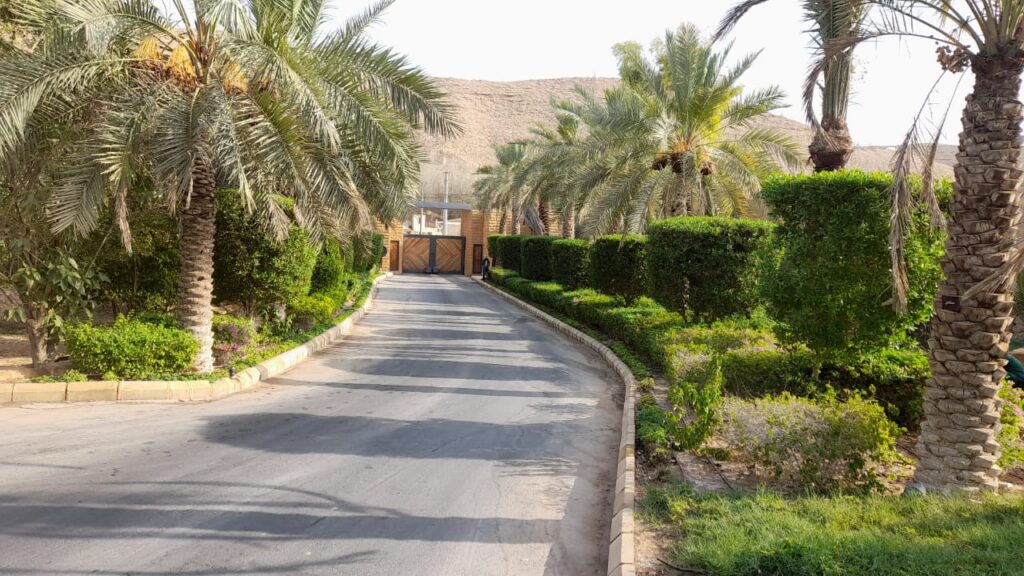
The Relationship Between Soil, Climate, and Plant Growth
Soil characteristics such as texture, salinity, and pH directly affect a plant’s ability to absorb water and nutrients. Climate factors—including temperature, humidity, sunlight exposure, and rainfall—also determine how well plants adapt and thrive. For this reason, soil and climate must always be evaluated together when selecting plants for landscaping projects.
Common Soil Types and Suitable Plants
Sandy Soil
Sandy soil drains quickly and has low nutrient retention. It is ideal for drought-tolerant plants such as:
-
Palm trees
-
Cacti and succulents
-
Lavender
-
Desert and native plants
Clay Soil
Clay soil retains water and nutrients but may suffer from poor drainage. Suitable plants include:
-
Ficus trees
-
Bougainvillea
-
Dense shrubs that tolerate moisture
Loamy Soil (Mixed Soil)
Loamy soil is considered the best for landscaping as it offers balanced drainage and moisture retention. It supports most ornamental plants, shrubs, and lawns.
Choosing Plants Based on Climate Conditions
Hot and Arid Climates
In regions with high temperatures and limited rainfall, such as the Middle East, plants should be heat- and drought-tolerant, including:
-
Palm varieties
-
Native desert plants
-
Ornamental shrubs adapted to dry conditions
Moderate Climates
These climates allow a wider range of plants, including:
-
Shade trees
-
Flowering shrubs
-
Seasonal ornamental plants
Humid Regions
Plants in humid areas should be resistant to fungal diseases and capable of thriving in high moisture levels.
Long-Term Benefits of Proper Plant Selection
Selecting plants that match the soil and climate conditions helps:
-
Reduce plant replacement and failure rates
-
Lower water consumption
-
Minimize fertilizer and pesticide use
-
Improve the overall appearance and sustainability of the landscape
Professional Tips for Selecting the Right Plants
-
Conduct soil testing before planting
-
Prioritize native or climate-adapted plants
-
Consider sun exposure and shading patterns
-
Combine different plant types for visual and functional balance
Conclusion
Choosing the right plants based on soil type and climate is the foundation of successful softscape landscaping. When plant selection is guided by environmental compatibility, the result is a healthier, more sustainable, and visually appealing landscape with lower long-term maintenance costs.