
Irrigation systems play a vital role in the success of softscape landscaping projects. Even with proper soil preparation and correct plant selection, landscapes can fail without an efficient and well-designed irrigation system. Proper irrigation ensures consistent water delivery, supports healthy plant growth, reduces water waste, and enhances the long-term sustainability of green spaces.
Why Irrigation Systems Are Essential in Softscape Landscaping
Water is a critical element for plant survival, especially in hot and arid climates. An effective irrigation system ensures that plants receive the right amount of water at the right time, preventing both drought stress and overwatering. This balance directly impacts root development, nutrient absorption, and overall plant health.
Modern irrigation systems also contribute to cost efficiency by reducing water consumption and minimizing manual labor.
Types of Irrigation Systems Used in Landscaping
Drip Irrigation Systems
Drip irrigation delivers water directly to the plant’s root zone, making it one of the most efficient irrigation methods available.
Benefits:
-
Minimizes water loss through evaporation
-
Ideal for shrubs, trees, and flower beds
-
Reduces weed growth
-
Suitable for softscape landscaping in hot climates
Sprinkler Irrigation Systems
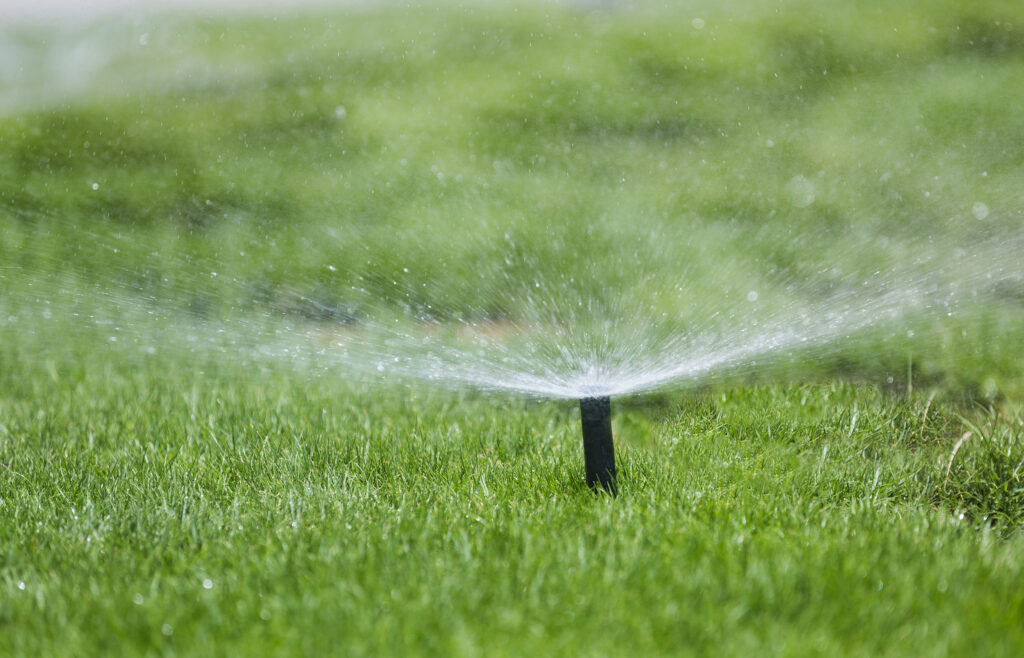
Sprinkler systems distribute water over a larger area and are commonly used for lawns and turf areas.
Benefits:
-
Uniform water coverage
-
Easy automation
-
Suitable for large green spaces
Smart Irrigation Systems
Smart irrigation systems use sensors and weather data to adjust watering schedules automatically.
Benefits:
-
Optimized water usage
-
Reduced utility costs
-
Improved plant health
-
Supports sustainable landscaping practices
Matching Irrigation Systems with Soil Type and Plants
Choosing the correct irrigation system depends heavily on soil conditions and plant types.
-
Sandy soil requires frequent but controlled watering due to fast drainage
-
Clay soil needs slower irrigation to prevent waterlogging
-
Loamy soil supports most irrigation methods efficiently
Plants with shallow roots require lighter, more frequent watering, while deep-rooted plants benefit from slower, deeper irrigation cycles.
The Impact of Irrigation on Long-Term Landscape Maintenance
An efficient irrigation system significantly reduces long-term maintenance requirements by:
-
Preventing plant stress and disease
-
Reducing plant replacement costs
-
Lowering water consumption
-
Supporting uniform plant growth
Proper irrigation also extends the lifespan of plants and enhances the visual appeal of the landscape year-round.
Best Practices for Designing an Effective Irrigation System
-
Conduct soil analysis before system installation
-
Group plants with similar water requirements
-
Adjust irrigation schedules seasonally
-
Regularly inspect and maintain irrigation components
-
Integrate smart controllers for efficiency
Conclusion
Irrigation systems are not optional in softscape landscaping—they are a core element of landscape success. When combined with proper soil preparation and correct plant selection, efficient irrigation ensures healthy growth, water conservation, and long-term sustainability. Investing in the right irrigation system results in stronger landscapes and lower maintenance costs over time.