
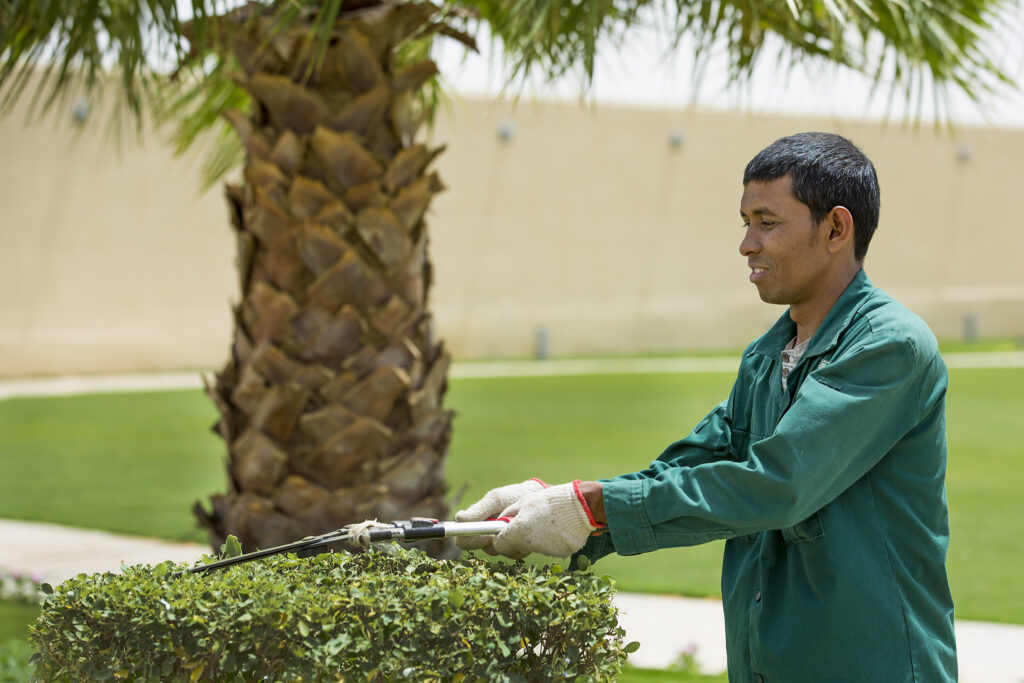
landscaping maintenance is essential for preserving plant health, visual appeal, and long-term performance. Even the best-designed landscapes can deteriorate quickly without proper care. Ongoing maintenance ensures that plants continue to thrive, irrigation systems function efficiently, and the landscape remains sustainable and cost-effective over time.
Why Softscape Maintenance Is Critical
Maintenance is not a corrective action—it is a preventive strategy. Regular care reduces plant stress, prevents disease, and protects the initial investment made during design and installation. Landscapes maintained consistently require fewer replacements, less water, and lower long-term costs.
Effective maintenance is built on three foundations:
-
Healthy soil
-
Correct plant selection
-
Efficient irrigation
Each of these elements must continue to function properly after installation.
Soil Health and Ongoing Care
Healthy soil is the backbone of long-term landscape success. Over time, soil can become compacted, depleted of nutrients, or affected by poor drainage.
Best practices include:
-
Periodic soil testing
-
Adding organic matter or compost
-
Aeration to improve root oxygen flow
Proper soil care should follow the same principles used during proper soil preparation at the installation stage.
Plant Maintenance and Growth Control
Plants require consistent monitoring to ensure healthy growth and structural balance.
Key maintenance tasks include:
-
Pruning to remove dead or overgrown branches
-
Monitoring plant health and early signs of stress
-
Replacing weak or unsuitable plants
Plant care is most effective when the landscape is designed using plants selected based on soil type and climate, reducing the need for excessive intervention.
Irrigation System Maintenance and Optimization
Irrigation systems must be regularly inspected to ensure proper water delivery and efficiency.
Maintenance activities include:
-
Checking for leaks and clogged emitters
-
Adjusting watering schedules seasonally
-
Monitoring system pressure and coverage
Well-maintained irrigation systems prevent both overwatering and underwatering—two of the most common causes of landscape failure.
Preventing Common Softscape Problems Through Maintenance
Many issues in softscape landscaping arise from neglected maintenance rather than poor design.
Routine maintenance helps avoid:
-
Plant overcrowding
-
Nutrient deficiencies
-
Pest and disease outbreaks
-
Irrigation inefficiencies
Understanding and addressing these risks early helps prevent the common softscape landscaping mistakes that lead to costly repairs.
Seasonal Softscape Maintenance Guidelines
Summer
-
Increase irrigation frequency responsibly
-
Protect plants from heat stress
-
Monitor soil moisture levels
Winter
-
Reduce irrigation schedules
-
Prune dormant plants
-
Inspect drainage systems
Seasonal adjustments ensure plants remain healthy throughout the year.
Conclusion
Landscaping maintenance is the key to protecting the success of any landscaping project. When soil health, plant care, and irrigation systems are maintained consistently—and common mistakes are avoided—landscapes remain attractive, resilient, and sustainable for years to come.