
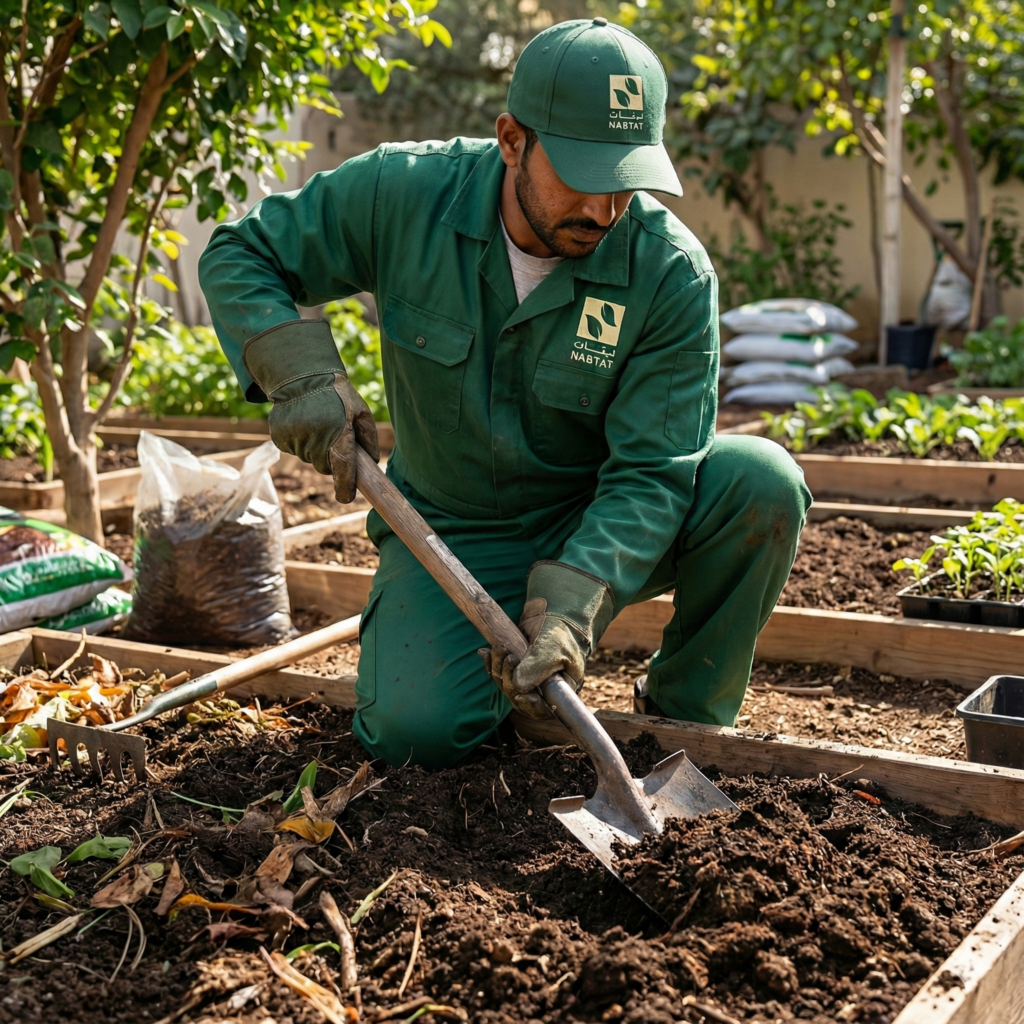
Soil preparation is the foundation of any successful landscaping project. Regardless of plant quality or design aesthetics, poor soil conditions will limit plant growth, reduce longevity, and increase maintenance costs. Proper soil preparation ensures that plants receive adequate nutrients, water, and oxygen—three critical factors for healthy root development and sustainable landscapes.
What Is Soil Preparation in Landscaping?
Soil preparation refers to the process of assessing, improving, and conditioning the soil before planting trees, shrubs, turf, and ornamental plants. It includes soil testing, grading, aeration, nutrient enrichment, and drainage optimization. In softscape landscaping, soil preparation directly influences plant establishment, growth rate, and resistance to environmental stress.
Why Soil Preparation Is Critical for Softscape Success
1. Improves Root Development
Well-prepared soil allows roots to spread easily, improving anchorage and nutrient uptake. Compacted or poorly structured soil restricts root growth, leading to weak plants and early failure.
2. Enhances Water Management
Correct soil texture and drainage prevent waterlogging and drought stress. Sandy soils drain too quickly, while clay soils retain excess water. Proper soil preparation balances moisture retention and drainage, ensuring optimal hydration.
3. Increases Nutrient Availability
Soil amendments such as compost and organic matter improve fertility and microbial activity. This creates a nutrient-rich environment that supports long-term plant health without excessive chemical fertilizers.
4. Supports Plant Selection and Longevity
Understanding soil pH, salinity, and composition helps landscapers select plants suited to local conditions. This is especially important in arid and semi-arid regions, where soil quality varies significantly.
Key Steps in Effective Soil Preparation
Soil Testing and Analysis
Before planting, soil should be tested for pH, nutrient levels, salinity, and texture. This data guides amendment decisions and plant selection.
Soil Grading and Compaction Control
Proper grading ensures even water distribution and prevents erosion. Compacted soil must be loosened to improve airflow and root penetration.
Adding Organic Matter
Incorporating compost or organic soil conditioners enhances structure, fertility, and moisture retention, making the soil more resilient.
Drainage Improvement
Installing drainage layers or adjusting soil composition prevents standing water, which can cause root rot and plant disease.
Soil Preparation and Long-Term Maintenance
A well-prepared soil base reduces future maintenance costs by minimizing plant replacement, excessive irrigation, and fertilizer use. Landscapes established on healthy soil are more resistant to pests, diseases, and extreme weather conditions.
Conclusion
Soil preparation is not an optional step in landscaping—it is a strategic investment in landscape performance and sustainability. By prioritizing proper soil assessment and improvement, landscapers ensure healthier plants, longer-lasting designs, and higher client satisfaction.